
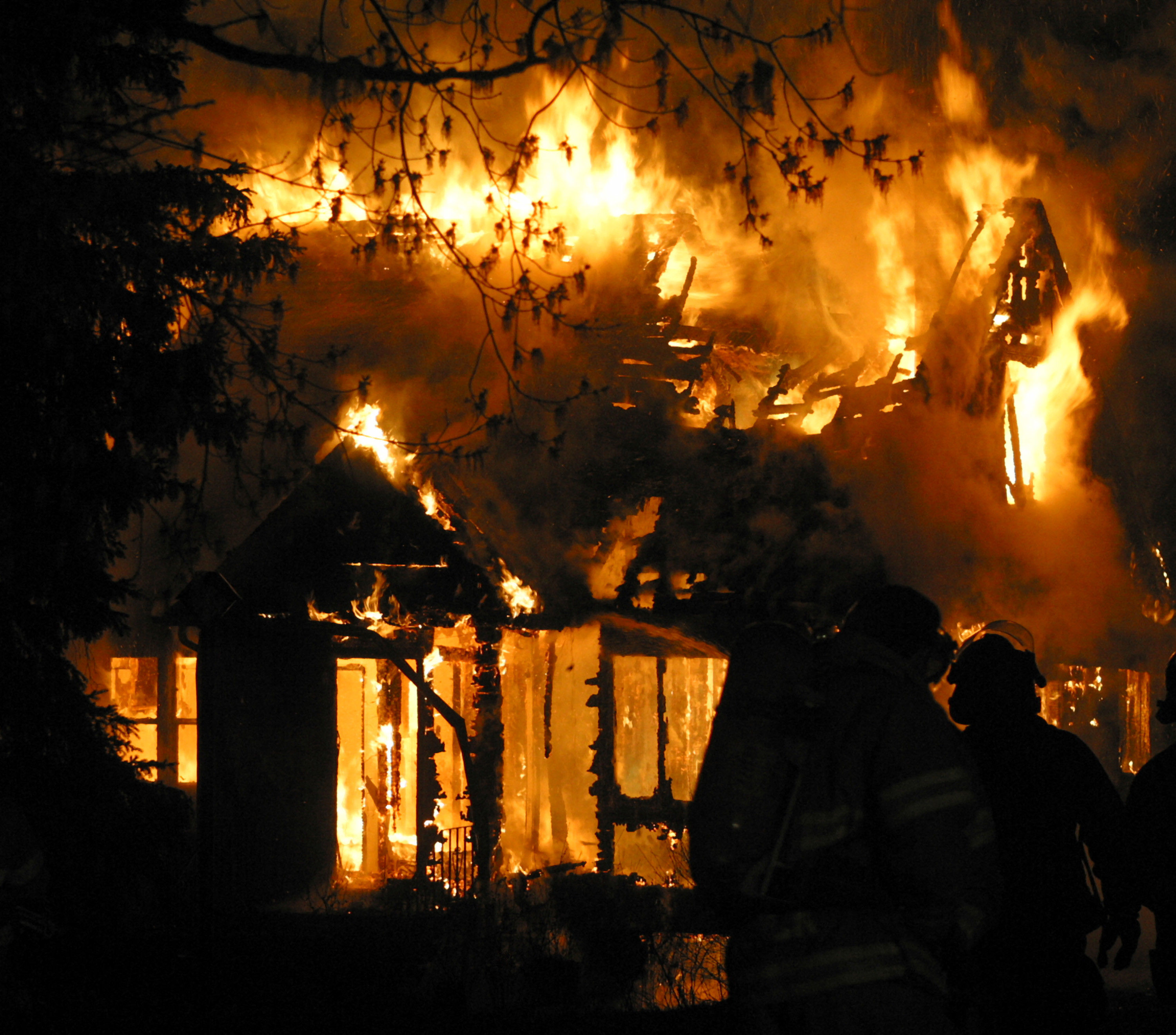
Knowing how to deal with emotional outbursts can be dangerous. You need to know what you are doing.
On a cold, damp day, I decided to light the fire. Watching a roaring fire and feeling the warmth, I thought about how comforting it is to have a fireplace in the house. Of course, humans have enjoyed fire for eons of time.
Immersed in these thoughts, I also remembered how deadly a fire can be when it is out of control. Fire is energy and too much unexpected energy all at once doesn’t warm nor comfort. In fact, it destroys. No one wants to be in the vicinity of an out-of-control fire. It can incinerate us.
Emotions are also energy. Although we think of emotions as something intangible and imperceptible, they have power. Like fire, expressed emotions can be comforting and reassuring but, if they are hot and out of control, they can burn people.
Many of my clients face volatile people either in their current lives or in their past lives. Learning what action to take when confronted with hostility is part of our curriculum as humans on our soul journey.
Think for a moment when you have been in the vicinity of someone expressing uncontrolled, hot emotions? You are likely to feel a blast of negative energy coming your way, especially if you are invested in the content and are emotionally connected to the angry one. Afterwards, you might have trouble putting the incident out of your mind.
Protection for emotional outbursts?
Let’s continue with our fire analogy. Firemen wear amazing protection when they’re in the vicinity of a serious fire. Highly rated thermal insulation makes up the outer skin of their protective shield while next to the skin lie several layers of breathable thermal material. Sandwiched between the two is a substantial moisture barrier. Firemen also breath oxygen through a mask. All this protection means they can survive in temperatures of 370°C, even though skin burns at 55°C.
Even so, in an enclosed space, they are always in danger of a flashover. A flashover occurs when material in a heated space spontaneously combusts. Once this happens, temperatures are deadly high. Each fireman needs to be acutely aware of the warning signs to survive.
Obviously the most sensible thing to do to protect yourself from a fire or someone having an angry emotional outburst is to move away. But maybe you, like the firemen, want to help. So, you stay and try to calm down whoever is having an emotional outburst. If you do, you need to be cautious. What protection do you have? How are you likely to react? What knowledge and skills have you developed?
Firemen train constantly to be ready for a fire. What preparation have you undertaken in this emotionally heated situation?
You need to know how to access your protection quickly and you need to make sure it stays in place.
Dealing with emotional outbursts
Strong boundaries are important, including non-physical boundaries. Objectivity is the cornerstone of strong emotional boundaries. Your objectivity keeps you from being caught up in the potential inferno.
You need inner strength, the strength to stay calm and settled even though the blaze might be getting intense.
You need to know when to leave, especially if you are in an enclosed situation and the person you are dealing with is getting very heated. You might be in danger. Are you aware of the signs?
You need unconditional love, wisdom and skill when dealing with angry people. Otherwise you are likely to inflame the situation. Love comes from spiritual maturity. Wisdom comes from experience and emotional intelligence. Skill comes from knowing and practising useful communication techniques.
Like water quenching a fire, unconditional love can quell an emotional outburst. Unfortunately, some people burn with such deep pain and hate, they are not open to being calmed. Like flashovers, these are the “fires” that are dangerous.
Firemen are trained to make sure they have an escape route. When you are in a volatile situation with someone, you need to know how to safely get away. Don’t put yourself in danger without making sure you already have a quick accessible exit.
The best way to deal with uncontrollable fire is to immediately get away—unless you are a fireman with all the protections outlined above. And for most of us, the best way to deal with a furious, uncontrollable, emotional outburst is to walk away.
When you leave immediately, you are refusing to be a victim. You are giving the offender a clear message that you will not tolerate their fiery outbursts. And if you return later, leave again if all is not calm. Actions always speak louder than words.


0 Comments